

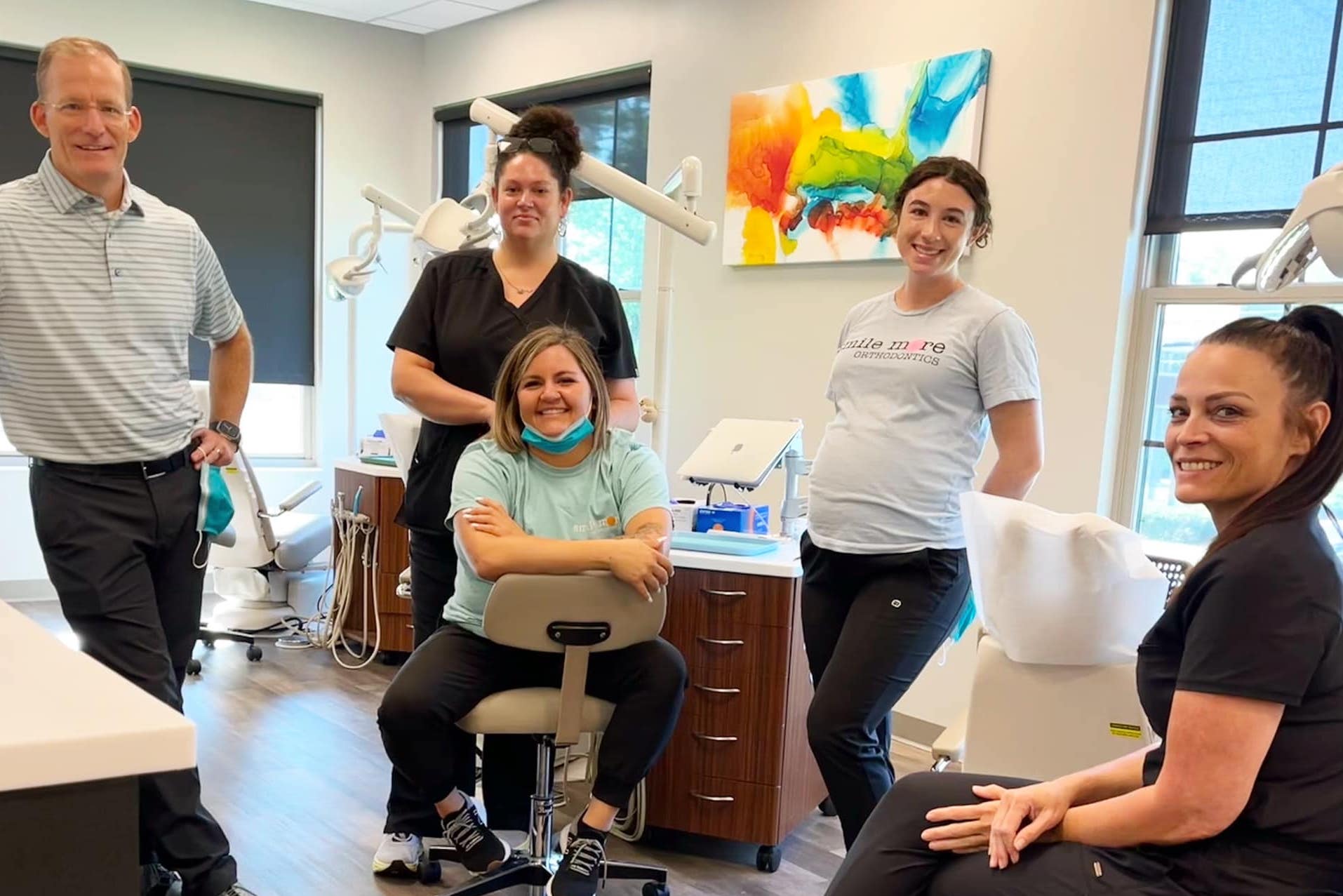
Ever wondered what actually happens when you visit an orthodontist? Most people know they “fix teeth,” but there’s way more to it than that. So, what does an orthodontist do, exactly? These smile specialists spend years mastering the science of tooth movement, jaw alignment, and facial balance. Let’s pull back the curtain on what our docs really do and why their work matters for your health and confidence.
What Is an Orthodontist, and How Are They Different from a Dentist?
An orthodontist is a dental specialist who completes 2-3 years of residency training beyond dental school, focusing exclusively on diagnosing and correcting misaligned teeth, jaws, and bites using braces, clear aligners, and other appliances. Think of it like the difference between a family doctor and a heart surgeon. Both went to medical school, but one pursued extra training in a specific area.
All orthodontists are dentists. But only about 6% of dentists go on to become orthodontists, according to the American Association of Orthodontists (AAO). That’s a pretty select group.
So what makes them different in practice?
Your general dentist handles cleanings, fillings, crowns, and overall oral health. They’re your first line of defense against cavities and gum disease. When they spot alignment issues or bite concerns that need specialized attention, they’ll often refer you to an orthodontist.
Our docs focus on one thing: diagnosing and correcting misaligned teeth, jaws, and bites. They don’t do fillings. They don’t pull wisdom teeth. They study how teeth move through bone, how jaws grow, and how to guide everything into proper position.
Board certification by the American Board of Orthodontics takes this expertise even further. It’s a voluntary credential that signals a doc has passed rigorous examinations and demonstrated advanced clinical skills. Our team at Smile More values this kind of continued professional development because we think you deserve specialists who’ve proven their expertise.
How Treatment Works at Smile More: From Free Consult to Final Smile
Your smile transformation at Smile More follows five key steps, from your free consult through the retention phase. Here’s what to expect:
Step 1: Your Free Consult
Everything starts with a thorough evaluation at Smile More. We take X-rays, photos, and digital scans of your teeth and jaw. This gives us a full picture of what’s happening above and below the gumline, including how your teeth fit together and whether your jaw alignment needs attention.
Step 2: Your Custom Treatment Plan
Using your scans, X-rays, and 3D imaging, your doc builds a plan specific to your mouth, your goals, and your schedule. Every mouth is different, so your plan reflects your unique needs and lifestyle. No cookie-cutter plans here. We’ll walk you through the timeline, the cost, and what daily life looks like during treatment.
Step 3: Getting Started with Your Appliance
Depending on your plan, this might mean bonding braces to your teeth or fitting you with your first set of clear aligner trays. Either way, you’ll leave knowing exactly what to expect and how to care for your new appliances.
Step 4: Regular Progress Visits
Every 4-8 weeks, you’ll come in for adjustments. For braces, this means tightening wires and making modifications. For aligners, you’ll pick up your next sets of trays. These visits are usually quick.
Step 5: Retention, the Phase People Forget About
Once your teeth reach their final positions, you’re not quite done. Retainers keep everything in place while the bone around your teeth stabilizes. Skip this step and your teeth can drift back. It’s the most underrated part of the whole process, and it’s what protects your investment long-term.
The whole process typically takes 12-24 months (AAO), though your timeline depends on your specific situation.
Beyond a Straight Smile: The Real Benefits of Treatment
Sure, straight teeth look great. But the benefits of working with a doc go way beyond aesthetics.
Alignment and Oral Health
Crowded or misaligned teeth create hiding spots for plaque and bacteria. When teeth are properly aligned, brushing and flossing become more effective. That means fewer cavities and healthier gums over time. This is one of the first things our docs explain during a free consult, because a lot of people don’t realize how much alignment affects everyday dental health.
Can Fixing Your Bite Relieve Jaw Discomfort and Headaches?
A misaligned bite puts stress on your jaw joints and muscles. Many people don’t realize their chronic headaches, jaw clicking, or TMJ discomfort stem from bite issues. Correcting your alignment can bring real relief, and it’s one of those benefits that surprises people the most.
Bite Correction and Better Digestion
When your teeth don’t fit together properly, chewing becomes less efficient. Properly aligned teeth help you break down food better, which supports healthy digestion. It’s a connection most people never think about.
The Confidence Factor
This one’s hard to measure, but it’s real. When you’re proud of your smile, you show it more. You smile bigger in photos. You speak up in meetings. You feel more comfortable in social situations. The confidence of an amazing smile lasts a lifetime.
Why Does Early Treatment Matter for Kids?
Getting ahead of issues early in children can guide jaw growth and create space for permanent teeth. This often prevents more involved (and more costly) treatment down the road. The AAO recommends kids get their first orthodontic evaluation by age 7, and there’s a good reason for that: catching things before they grow gives our docs more options to work with.
Braces vs. Clear Aligners: Comparing Your Options
One of the most common questions we hear at Smile More: “Should I get braces or clear aligners?” Here’s an honest comparison:
| Feature | Metal Braces | Clear Braces | Clear Aligners |
|---|---|---|---|
| Visibility | Most noticeable | Less noticeable (ceramic) | Nearly invisible |
| Removability | Fixed to teeth | Fixed to teeth | Removable for eating and cleaning |
| Best For | Complex cases, all ages | Moderate cases, aesthetic preference | Mild to moderate cases |
| Typical Treatment Time | 18-24 months | 18-24 months | 12-18 months for qualifying cases |
| Maintenance | Careful brushing around brackets | Careful brushing around brackets | Remove to brush normally |
What Are Metal Braces Best For?
Don’t let old memories fool you. Today’s metal braces are smaller, less noticeable, and more comfortable than ever. They’re incredibly effective for complex cases and work well for people of all ages. For significant bite corrections, they’re often the strongest option our docs recommend.
How Do Clear Braces Compare?
Ceramic brackets blend with your tooth color. Same mechanics as metal braces, more discreet look. They’re a great option for teens and adults who want something less visible but still need the precision that fixed brackets provide.
Are Clear Aligners Right for You?
These removable, virtually invisible trays have become a favorite for many people looking for flexibility. You can straighten your teeth without anyone knowing. They’re especially popular with adults and busy teens who want to fit treatment into their schedule without a lot of fuss.
Here’s the key thing to understand: your doc recommends the best option based on your diagnosis, not just your preference. Some cases need the precision control of braces. Others are perfect for aligners. A thorough free consult at Smile More helps determine what will actually work best for your smile.
What Affects the Cost of Smile Transformation?
The cost of smile transformation varies based on several factors, including case complexity, treatment duration, appliance type, and insurance coverage. A free consult at Smile More provides the most accurate estimate for your specific situation. Let’s break down what drives the price.
How Do Complexity and Duration Affect Cost?
The biggest cost drivers are how involved your case is and how long treatment takes. A mild spacing issue that takes 12 months costs less than a significant bite issue requiring 24 months of treatment.
Does the Type of Appliance Change the Price?
Metal braces, clear braces, and clear aligners have different price points. Your doc can explain the cost differences during your free consult, and we’ll always give you a clear breakdown so there are no surprises.
Does Insurance Cover Treatment?
Many dental insurance plans include orthodontic benefits that can significantly reduce your out-of-pocket costs. Beyond insurance, flexible payment plans make treatment accessible for more families. Our team at Smile More offers convenient options and a payment calculator so you can see exactly what fits your budget.
What’s the Best Way to Know Your Cost?
A free consult at Smile More is the only way to get an accurate estimate for your specific situation. We’ll evaluate your needs, discuss your options, and give you clear pricing with no surprises.
Who Should See an Orthodontist?
People of all ages can benefit from treatment, from children as young as 7 to adults in their 60s and beyond. Here’s how to know if it’s time to request a free consult.
When Should Children First See an Orthodontist?
The AAO recommends children have their first orthodontic evaluation by age 7. At this age, adult teeth are starting to come in, and potential issues become visible. Early evaluation doesn’t always mean early treatment, though. Sometimes we just monitor growth until the time is right.
Signs to Watch For in Kids
- Crowded or overlapping teeth
- Gaps between teeth
- Teeth that don’t meet properly when biting
- Mouth breathing or snoring at night
Can Teens and Adults Benefit from Treatment?
There’s no age limit for straightening your teeth. More adults than ever are choosing to do it. Whether you skipped treatment as a teen or your teeth have shifted over time, you’re a candidate. Our board-certified docs at Smile More welcome people of all ages and see adults every single day.
Signs Adults Should Consider a Free Consult
- Crowding that’s gotten worse over the years
- Jaw discomfort or clicking
- Difficulty cleaning between misaligned teeth
- Self-consciousness about your smile
Even if you don’t notice obvious symptoms, a free consult can reveal issues you weren’t aware of.
Frequently Asked Questions About Orthodontists and Treatment
Do orthodontists only do braces?
Not even close. While braces are a core treatment, orthodontists also provide clear aligners, retainers, palatal expanders, and jaw correction appliances. They’re trained in every option for tooth movement and bite correction.
How long does treatment take?
Most treatment plans take between 12 and 24 months, depending on complexity. Minor corrections might wrap up faster, while significant bite issues could take longer. Your doc gives you a realistic timeline during your free consult.
Does getting braces or aligners hurt?
Most people feel some pressure and mild discomfort after adjustments or when switching to new aligner trays. This is completely normal and usually fades within a few days. Over-the-counter relievers and soft foods help during adjustment periods. Honestly, it’s more “annoying for a day or two” than anything else.
Can adults get braces or aligners?
Your teeth can move at any age, and adult treatment is just as effective as it is for younger people. Many adults choose clear aligners for their discretion, though braces work great too. We see adults at every stage of life at our practice, and it’s one of the most rewarding parts of what we do.
How do I choose the right orthodontist?
Look for board certification, which indicates advanced training and expertise. Consider the treatment options offered: does the practice provide both braces and clear aligners? Pay attention to how you feel during your free consult. You should feel comfortable, heard, and confident in your care team. Don’t underestimate the little things, like whether the team remembers your name or takes time to answer your questions without rushing. That stuff says a lot.
Want to see what’s possible for your smile? We’re changing lives one smile at a time. Our team makes it easy to get started with a free consult where we’ll answer all your questions, evaluate your needs, and discuss your options with no pressure.
Because everyone deserves to smile more!
Request your free consult and let’s talk about your smile.