

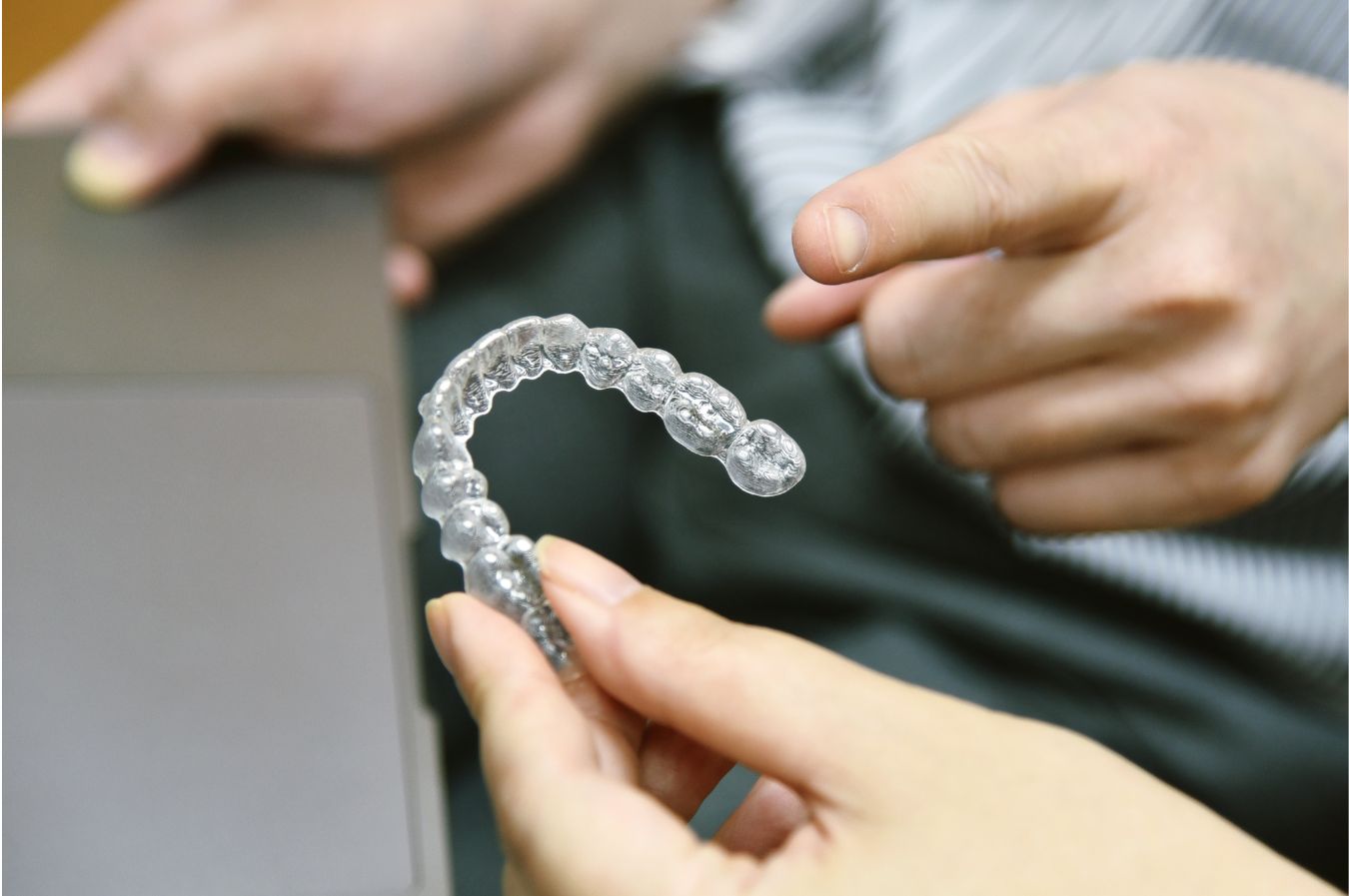
How to Keep Clear Aligners Clean: What It Really Means
Keeping clear aligners clean means rinsing them every time they come out, brushing them with clear soap and a soft-bristled brush, and soaking them daily in a cleaning solution. These three habits prevent bacteria buildup, keep trays looking invisible, and protect your teen’s oral health throughout their entire treatment. It takes just a few minutes a day once the routine clicks.
Clear aligners are pretty amazing, honestly. No metal brackets, practically invisible, and your teen can eat whatever they want. But here’s the thing nobody tells you at first: if those trays aren’t kept clean, they can turn from “invisible” to “obviously gross” faster than you’d think.
The good news? Keeping clear aligners clean is simple once your teen gets the hang of it. Our docs at Smile More have helped tons of teens figure out routines that actually stick, even with packed schedules, after-school activities, and the occasional forgetful moment.
Clear aligners sit snugly against teeth for 20 to 22 hours every day. The American Association of Orthodontists recommends this wear time for optimal results, and that adds up fast. When trays aren’t cleaned regularly, they trap bacteria, plaque, and tiny food particles against the teeth. Teens who are constantly snacking between classes, grabbing drinks at practice, or running from one activity to the next? Consistent cleaning can feel like just another thing to remember.
But dirty aligners aren’t just a hygiene issue. They can yellow, develop an unpleasant smell, and start looking cloudy. Suddenly, those “invisible” aligners aren’t so invisible anymore. Worse, bacteria buildup can contribute to cavities, bad breath, and gum irritation, which is the opposite of what anyone wants during treatment.
The good part? Proper aligner care takes just a few minutes a day. Once it becomes a habit, your teen won’t even think about it. And the payoff is huge: fresher breath, healthier teeth, and aligners that stay completely clear from start to finish.
Daily Aligner Cleaning Routine: Basic and Advanced Techniques
To clean clear aligners daily, rinse them under lukewarm water each time they’re removed, brush gently with clear soap and a soft-bristled brush, and soak once daily in cleaning tablets or aligner crystals. This routine takes just a few minutes and keeps trays fresh, odor-free, and totally see-through. Here’s what the Smile More team recommends:
A solid cleaning routine doesn’t require fancy equipment or a bunch of steps. It just takes consistency.
The Basic Daily Routine
Every time your teen removes their aligners, they should:
- Rinse immediately under lukewarm water to wash away saliva and loose debris
- Brush gently with a soft-bristled toothbrush and clear, unscented soap (not toothpaste!)
- Then give them another thorough rinse before placing trays back in or storing them in the case.
- Before the aligners go back in, your teen should brush and floss their teeth to avoid trapping food particles.
This whole process takes about two minutes. Morning and night are the most important times, but a quick rinse after lunch doesn’t hurt either.
Deep Cleaning for Extra Freshness
For a more thorough clean, your teen should add a daily soak:
- Retainer cleaning tablets or denture tablets work great. Drop one in a glass of lukewarm water, let the aligners soak for 15 to 20 minutes, then rinse well.
- Specialized aligner cleaning crystals are designed specifically for clear aligners and dissolve quickly.
- Some teens prefer a hydrogen peroxide soak (equal parts water and 3% hydrogen peroxide) for a gentle, odor-fighting clean.
Things to Avoid When Cleaning
Never use hot water. Heat warps the plastic and ruins the fit. Even very warm water can cause issues, so stick to lukewarm or cool.
Skip anything abrasive. Hard-bristled brushes, baking soda pastes, or rough cloths can scratch the trays, making them cloudy and more visible.
Cleaning On the Go
Teens are busy. They’re at school, at practice, hanging out with friends. A portable cleaning kit makes all the difference:
- A small travel toothbrush
- A mini container of clear soap or a few cleaning wipes
- The aligner case (always, always, always)
Keeping this kit in a backpack or locker means your teen can clean their trays anywhere, even between classes.
Why Clean Aligners Make a Huge Difference for Teens
Skipping aligner cleaning leads to bacteria buildup, yellow staining, bad breath, and cloudy plastic that makes trays visible. Over time, trapped plaque can cause cavities and gum irritation. Clean aligners stay invisible, keep breath fresh, protect oral health, and last their full wear cycle without cracking or discoloring.
Teens choose clear aligners because they want straight teeth without the “metal mouth” look. Clean trays deliver on that promise. Dirty ones? Not so much.
Staying Truly Invisible
Properly cleaned aligners stay totally see-through. No yellow tint, no cloudy film, no visible buildup. Your teen can smile, laugh, and talk without worrying that people will notice their trays.
The Confidence Factor
Nothing kills confidence faster than bad breath. Bacteria trapped in dirty aligners can cause some seriously unpleasant odors. Teens who keep their trays clean have fresher breath at school, at practice, and when hanging out with friends. That small habit makes a real difference in how they feel day to day. The Smile More team hears this from teens all the time: once they notice the difference, they don’t skip cleaning again.
Better Oral Health, Start to Finish
Clean aligners mean a healthier mouth. When bacteria and plaque aren’t constantly pressed against teeth, the risk of cavities and gum inflammation drops significantly. According to the American Dental Association, any removable oral appliance should be cleaned daily to reduce bacterial growth and maintain gum health. Your teen finishes treatment with straight teeth AND healthy teeth.
Durability and Wear Life
Each set of aligners is designed to be worn for a specific period, usually one to two weeks. Well-cared-for trays make it through that entire cycle without issues. Neglected aligners can develop cracks, become discolored, or start to smell so bad they’re unwearable. Replacing trays early can slow down progress and sometimes costs extra. Good habits here save time and money.
Here’s something parents appreciate: the responsibility your teen develops caring for aligners carries over to retainer care after treatment wraps up. Those daily habits also support good oral hygiene for years to come, which is a nice bonus on top of straighter teeth.
Aligner Cleaning Methods Compared: What Works and What Doesn’t
Not all cleaning methods are created equal. Clear soap with a soft brush is the best daily method, while denture tablets provide the best deep clean. Here’s a straightforward breakdown:
| Method | Effectiveness | Pros | Cons |
|---|---|---|---|
| Clear soap + soft brush | Excellent | Gentle, affordable, always available | Requires manual brushing |
| Toothpaste | Poor | Convenient | Abrasive, causes micro-scratches that cloud aligners |
| Denture tablets | Very good | Deep cleans, removes odors | Takes 15-20 minutes to soak |
| Aligner cleaning crystals | Excellent | Designed specifically for aligners | Slightly more expensive |
| White vinegar soak | Moderate | Natural, antibacterial | Can leave lingering taste |
| Hydrogen peroxide rinse | Good | Gentle, fights odors | Must be diluted properly |
| Ultrasonic cleaner | Excellent | Thorough, hands-off | Pricey, not necessary for most teens |
| Colored mouthwash | Poor | None for aligners | Stains trays, doesn’t clean effectively |
The Best Overall Method
Best everyday option: Clear soap and a soft brush, twice daily.
Best deep clean: Denture tablets or aligner cleaning crystals, once daily.
Avoid: Toothpaste (too abrasive), colored mouthwash (stains), and hot water (warps plastic).
Some parents ask about ultrasonic cleaners. They do work well, but honestly, most teens don’t need them. We’ve had teens try ultrasonic cleaners and end up going back to soap and a brush because it’s faster and simpler. The Smile More team recommends a consistent routine with basic supplies. That gets the job done.
Knowing how to keep clear aligners clean doesn’t require expensive gadgets. The basics, done consistently, beat any fancy tool used sporadically.
Common Mistakes That Can Cost You Time and Money
Avoid these costly clear aligner mistakes: eating with trays in, skipping cleaning sessions, and improper storage. Even the most responsible teens slip up sometimes. Here are the mistakes the Smile More team sees most often, and how to dodge them:
Eating or Drinking With Trays In
This is the big one. Aligners should come out for everything except plain water. Coffee, soda, juice, sports drinks, even flavored water can stain trays and leave sugary residue that feeds bacteria. Hot drinks can warp the plastic. The rule is simple: trays out, eat or drink, brush teeth, trays back in.
The Napkin Trap (and Other Storage Fails)
You’d be surprised how many aligners end up in the trash. Wrapped in a napkin at lunch, left on a bathroom counter, stuffed in a pocket. When trays aren’t in your teen’s mouth, they should be in the case. Period. The case exists for a reason. Use it every single time.
Skipping Cleaning Sessions
One missed session won’t ruin everything. But skipping regularly? That’s when odor buildup gets tough to reverse. Trays start to smell, look cloudy, and feel gross. Consistency matters more than perfection. Even a quick rinse beats nothing.
Noticing Small Changes Early
A small crack, a slight odor, a bit of cloudiness: these things seem minor but can snowball. Encourage your teen to mention any changes to our team at Smile More. Catching things early keeps treatment on track and avoids unnecessary setbacks.
Is Your Teen Ready to Handle Clear Aligner Care?
Clear aligners are fantastic, but they do require more responsibility than traditional braces. Not every teen is ready for that, and that’s okay.
Signs of Readiness
- Committing to 20-22 hours of daily wear is non-negotiable. Aligners only work when they’re actually worn.
- Carrying a cleaning kit and case doesn’t feel like a big deal to them. If your teen can keep track of their phone, they can keep track of their trays.
- Understanding the “why” behind the routine matters too. Teens who get why cleaning matters are more motivated to follow through.
How Parents Can Help
Even responsible teens benefit from a little support. Set phone reminders for cleaning times, keep cleaning supplies stocked at home, and check in occasionally without nagging. Dr. Brad Jacobs and Dr. Kristen Jacobs evaluate more than just teeth during the free consult. They assess whether a teen is ready for the responsibility of clear aligners, because it’s about making sure your teen is set up to succeed.
When Braces Might Be the Better Fit
Some teens just aren’t ready for removable aligners. That’s completely fine. Traditional braces work 24/7 without any compliance required. Our team can help you figure out which option makes the most sense for your teen’s personality and lifestyle.
Frequently Asked Questions About Cleaning Clear Aligners
Can I use toothpaste to clean my aligners?
No, and this is one of the most common mix-ups. Toothpaste is too abrasive for clear aligners. It creates tiny scratches on the plastic surface that make trays look cloudy and more visible over time. The Smile More team recommends clear, unscented soap and a soft-bristled brush for daily cleaning instead.
How often should I deep clean my aligners?
We hear this one a lot. Once daily is the sweet spot. Use retainer cleaning tablets, denture tablets, or specialized aligner crystals. Many teens find that a morning soak while they’re getting ready fits naturally into their routine. If you notice any odor or buildup, add a second soak at night.
What if my aligners start to smell?
Give them a thorough soak in cleaning solution for 20 to 30 minutes. Then take a look at your hygiene routine. Are you brushing your teeth before putting trays back in? Are you cleaning them every time you remove them? Persistent odor usually means bacteria has built up, so step up your cleaning frequency.
Can I drink coffee or soda with aligners in?
Nope. Remove your aligners for anything besides plain water. Coffee, soda, tea, juice, and sports drinks can all stain your trays and leave sugary residue that promotes bacteria growth. Take them out, enjoy your drink, brush your teeth, then put them back in.
What’s the best travel-friendly cleaning method?
Portable retainer wipes. They’re individually wrapped, fit in any pocket or bag, and clean quickly without water. A small travel kit with a mini toothbrush and soap works great too. The Smile More team sends teens home with tips on building a go-kit that actually fits their schedule.
How do I get my teen to actually remember to clean their aligners?
Tie aligner cleaning to existing habits. If they brush their teeth morning and night, cleaning trays happens at the same time. Phone reminders help, and treating it as a non-negotiable part of the routine works better than constant nagging. Once teens see how gross dirty aligners get, they’re usually motivated to keep up on their own.
Got questions about whether clear aligners are right for your teen? Grab a free consult with our docs, and they’ll give you the honest scoop on your teen’s options, readiness, and what to expect from day one. No pressure, because everyone deserves to smile more!