

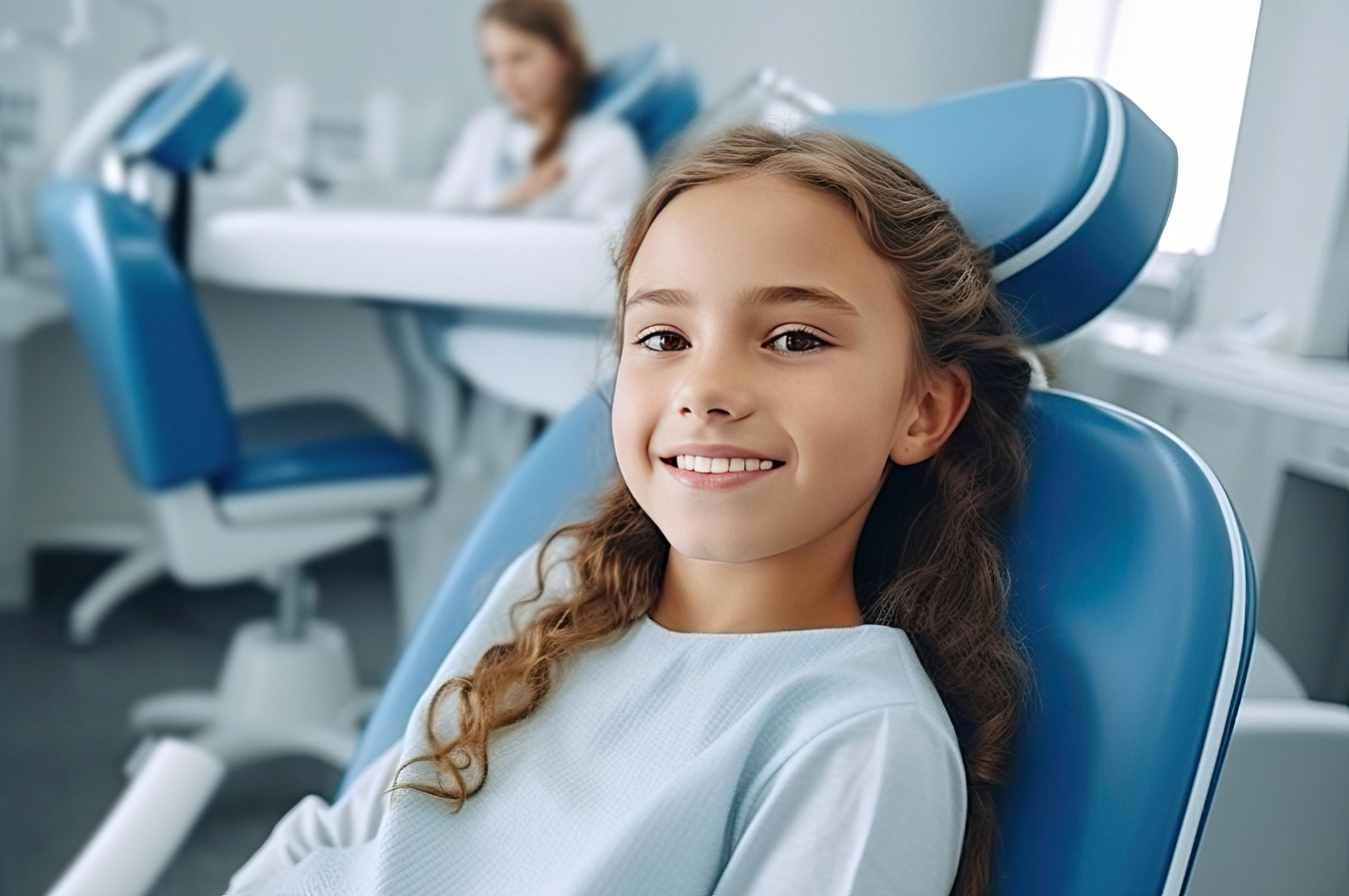
Choosing between braces and clear aligners for your child can feel overwhelming. Both options straighten teeth and create healthier smiles, but they work in different ways and suit different kids. Understanding the comfort level, effectiveness, and lifestyle fit of each smile transformation helps you make the right call for your family.
Every kid is different, and that’s the whole point. We offer both braces and clear aligners, so your kid gets the option that actually works for their smile, their age, and their daily life.
What Are Braces and Clear Aligners for Kids?
Braces are fixed metal or ceramic brackets bonded to teeth and connected by archwires that apply constant pressure. Clear aligners are removable custom plastic trays that shift teeth gradually through a series of fitted sets. Both are FDA-cleared and backed by decades of orthodontic research.
So how do they actually work? With traditional braces, small metal or ceramic brackets get bonded directly to each tooth. A thin archwire connects them, and your doc adjusts this wire at regular visits to guide teeth into better positions. Braces stay on throughout the smile transformation, working around the clock without any effort from your child.
Clear aligners take a different approach. These custom-made plastic trays fit snugly over your child’s teeth and apply gentle pressure to shift them gradually. Kids swap to a new set of trays every one to two weeks as their teeth move. The trays pop out for eating, brushing, and special occasions.
The American Association of Orthodontists recognizes braces and aligners as effective options for correcting misalignment in children and teens.
Age eligibility matters here. Braces can start as early as age seven for certain bite issues. Clear aligners typically work best for kids ages ten and older, once most permanent teeth have come in and the child can handle the responsibility of wearing trays consistently.
How Do Braces and Clear Aligners Work Differently?
With aligners, kids use a series of trays, where each set is slightly different from the last. A new set goes in every one to two weeks, and those gradual changes add up to real tooth movement over time.
Braces apply constant, steady pressure through the bracket-and-wire system. Every four to eight weeks, your doc tightens or adjusts the wires, keeping teeth moving in the right direction. Because braces are fixed in place, they work whether your child remembers them or not.
How long does the whole process take?
That depends on what needs fixing. Braces typically stay on for 18 to 36 months, depending on the complexity of your child’s case. Aligner treatment often runs shorter, averaging 6 to 18 months for mild to moderate alignment issues.
The biggest difference? Compliance.
Braces don’t need your child to do anything except show up for adjustments and avoid certain foods. Aligners require wearing the trays 20 to 22 hours every single day. Forgetting to put them back in after meals means the whole timeline stretches out.
Some kids thrive with that responsibility. Others do better with braces handling the work for them.
Benefits of Braces and Clear Aligners for Children
Why Do Families Choose Braces?
Braces tackle the tough cases. Severe crowding, deep overbites, underbites, crossbites, and teeth that need rotation all respond well to braces. The fixed brackets give your docs precise control over tooth movement in all directions.
Parents love that braces don’t depend on their child remembering anything. Once those brackets go on, the smile transformation happens automatically. No lost trays. No negotiations about wear time.
Modern braces are also smaller and more comfortable than what you might remember from your own childhood. Ceramic brackets blend with tooth color, and low-profile designs reduce irritation.
Why Do Families Choose Clear Aligners?
Nearly invisible on teeth, clear aligners are a favorite among self-conscious kids and teens. They can smile in photos, talk to friends, and go through their day without feeling like everyone’s staring at their mouth.
The removable design makes life easier in practical ways too. No list of forbidden foods. Normal brushing and flossing without working around brackets and wires. Sports and musical instruments don’t require special accommodations.
What Benefits Do Both Options Share?
Both braces and aligners do more than improve appearance. Straight teeth are easier to clean, which means fewer cavities and healthier gums over time. A properly aligned bite reduces jaw strain and uneven tooth wear. We see it all the time: kids who finish treatment walk a little taller and smile a lot bigger, and that confidence sticks around for years.
Braces vs. Clear Aligners: Comfort and Effectiveness Compared
| Factor | Braces | Clear Aligners |
|---|---|---|
| Comfort | Initial soreness after adjustments; potential wire irritation | Less soft-tissue irritation; mild pressure with new trays |
| Effectiveness | Excellent for complex cases | Best for mild to moderate alignment issues |
| Eating | Avoid hard, sticky, and crunchy foods | No food restrictions (remove trays to eat) |
| Oral Hygiene | Requires careful brushing around brackets | Normal brushing; clean trays separately |
| Visibility | Noticeable (metal) or subtle (ceramic) | Nearly invisible |
| Compliance Needed | None, fixed in place | High, must wear 20-22 hours daily |
Which Option Is More Comfortable?
Kids often report that aligners feel more comfortable day-to-day. The smooth plastic doesn’t poke or scratch the inside of the mouth. New tray sets do cause temporary tightness as teeth adjust, but that fades quickly.
Braces can cause soreness after adjustments, usually lasting a few days. Some kids experience irritation where brackets touch cheeks or lips, though orthodontic wax helps with that. Most children adapt within the first few weeks.
Which Is More Effective?
For complex orthodontic issues, braces are still the go-to. They can move teeth in ways aligners simply can’t replicate, including rotating teeth, moving them vertically, and correcting significant bite issues.
Clear aligners work beautifully for straightforward cases: mild crowding, spacing gaps, and minor bite adjustments. According to the AAO, aligner technology continues advancing, but braces still handle the most challenging cases more predictably. Your doc can help you weigh these comfort and effectiveness factors during a free consult.
Which Fits Your Child’s Lifestyle Better?
Active kids might prefer aligners for contact sports since there’s no hardware to cause injury. But aligners also mean remembering to put them back in after every snack, meal, and drink (anything besides water).
Braces work well for kids who tend to lose things or struggle with keeping up routines. The smile transformation happens whether they think about it or not.
Cost Factors: Braces vs. Clear Aligners for Kids
Braces and clear aligners for kids generally fall in a similar price range, and most dental insurance plans cover both options equally up to a lifetime orthodontic maximum. The final cost depends on case complexity, how long the process takes, and which system your doc recommends.
Traditional metal braces tend to sit at the lower end of the range, while ceramic braces often cost a bit more due to the materials. According to the American Association of Orthodontists, costs vary widely based on treatment length and the amount of correction involved.
Clear aligner pricing depends on case severity, the number of trays needed, and which aligner system your doc uses. Mild cases with fewer trays naturally cost less than moderate cases requiring longer treatment.
What drives the price up or down?
- Treatment length: longer treatment means more visits and materials
- Case complexity: severe misalignment requires more work
- Follow-up needs: some cases require refinement trays or extra adjustments
Want a real number? An orthodontic consultation gives you an honest cost estimate based on your child’s actual needs. No guessing required.
Is Your Child a Candidate for Braces or Clear Aligners?
Your child’s candidacy for braces or clear aligners depends on their bite complexity, age, and maturity level. Not every child is a good fit for both options, so here’s how to think about it.
Braces are usually the better choice when your child has:
- Severe crowding or spacing
- Significant overbite, underbite, or crossbite
- Teeth that need rotation or vertical movement
- Difficulty keeping up with routines
Clear aligners often work well when your child has:
- Mild to moderate crowding or gaps
- Minor bite adjustments needed
- Strong maturity and willingness to wear trays consistently
- Concerns about appearance during treatment, or an active lifestyle with sports or performing arts
Your doc evaluates several factors during the initial exam: how many permanent teeth have erupted, jaw growth patterns, the severity of misalignment, and your child’s overall dental development. This assessment determines which smile transformation can actually get the results you want. The initial evaluation typically includes X-rays, a visual exam, and a conversation about your family’s priorities and timeline.
Frequently Asked Questions About Braces and Aligners for Kids
At what age can my child get braces or clear aligners?
The AAO recommends an orthodontic evaluation by age seven. Braces can start early for certain bite issues, even before all permanent teeth arrive. Clear aligners typically work best for kids ages ten and older, once most adult teeth have come in.
Are clear aligners as effective as braces for kids?
For mild to moderate alignment issues, clear aligners can be just as effective as braces. That said, braces remain the stronger option for complex cases involving severe crowding, significant bite issues, or teeth needing rotation. Your doc can tell you which option will work for your child’s specific situation.
Do braces or aligners hurt more?
Both cause some discomfort as teeth move. Braces may cause soreness after adjustments and occasional irritation from brackets. Aligners create pressure with each new tray but rarely irritate soft tissue. Most kids find either option manageable after the first week or two.
Can my child play sports with braces or aligners?
Absolutely. Kids with braces should wear a mouthguard during contact sports to protect their lips and cheeks from bracket injuries. Kids with aligners can remove them during games and practices, though a mouthguard is still a good idea. Just remember to put aligners back in afterward.
How do I know which smile transformation is right for my child?
A free consult with your doc is the only way to know for sure. They’ll examine your child’s teeth, take X-rays, and discuss your family’s priorities. Factors like case complexity, your child’s age, maturity level, and lifestyle all play into the recommendation. An early orthodontic evaluation can also help identify the right timing for treatment.
Every kid deserves a smile they feel great about. Whether braces or clear aligners turn out to be the better choice, the result is the same: straighter teeth, a healthier bite, and confidence that lasts. Because everyone deserves to smile more!